

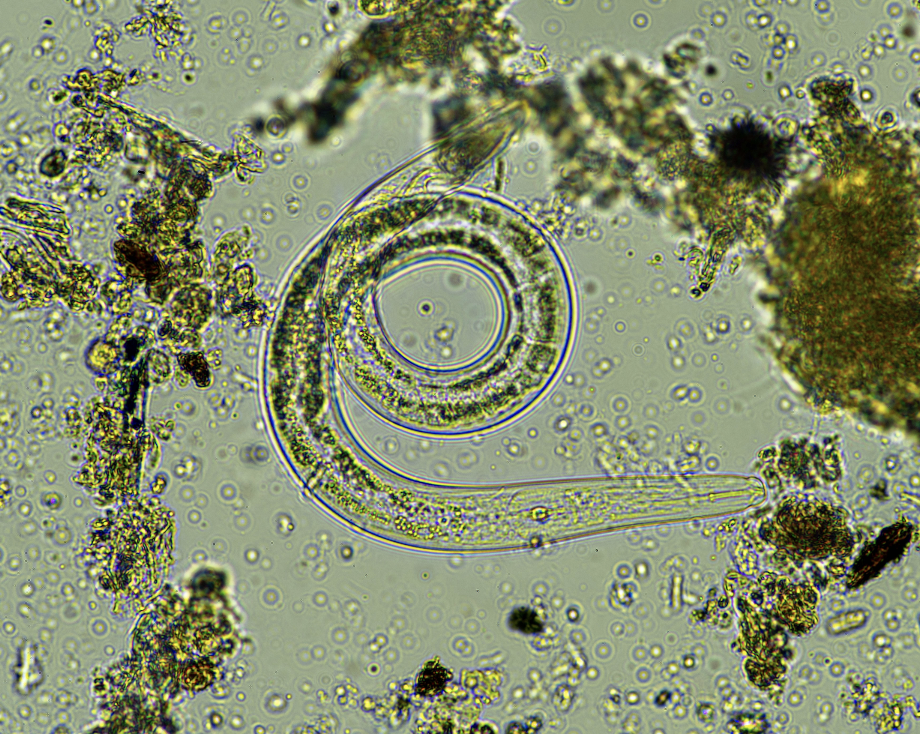
Land Energy supplying Living Soils
Land Energy is supplying Living Soils to provide a better, simpler, healthier – and more cost-effective – way to condition our soils which in turn enriches the land.
Soil needs bacteria and fungi in order for plants to thrive. The billions of bacteria in soil rhizospheres* nourish plants the way that the microbiome in our own bodies support us.
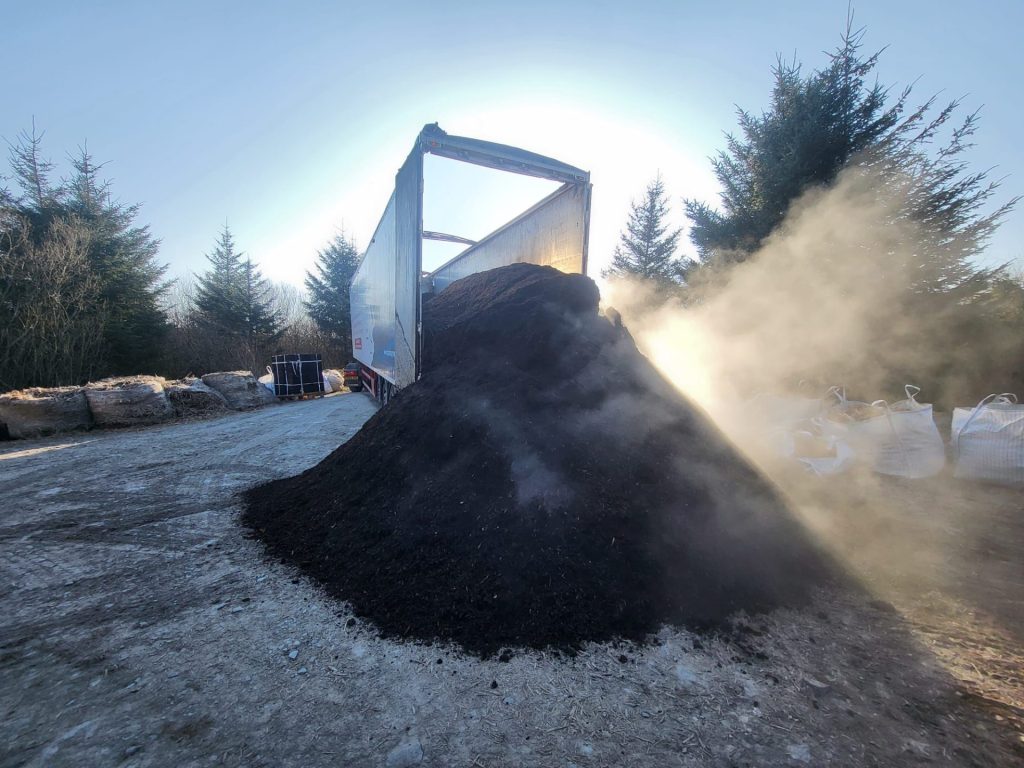
Land Energy delivering its ‘Grown in Britain’ bark ready for living soils creation
The man-made problem
‘The past 70 years of using synthetic fertilisers and insecticides have destroyed life and biodiversity in the soil, decreasing crop yields and destroying the fertility of the land.’
‘Synthetic fertilisers kill healthy bacteria, fungi and microbes in the soil. They lead to nutrient run-off and deplete nitrogen in the soil which creates reliance on synthetic fertilisers. Studies show that only 20% of the nitrogen available in fertilisers are used by the plants they’re meant to support.‘
‘Synthetic fertilisers are made from raw materials like fossil fuels, potash and phosphate and the creation process comes with a high energy cost.’
‘One tonne of fertiliser has the equivalent of 3.5 tonnes of CO2 emissions. This does not bode well for our 2050 carbon neutral goal.‘ Re-Genus 2025
Where it all started
By collaborating with Daniel Iddon, founder of Re-Genus, Land Energy is working to replicate the conditions of woodland soils to enhance tree production.
Daniel purchased a woodland and started growing trees in a nursery, but he quickly noticed that most of them perished by spring. The cause of this, according to Daniel, is what he refers to as a ‘nature gap.’ The young trees were grown using synthetic NPK (nitrogen, phosphorus, potassium) fertilisers in the nursery, but when transplanted into woodland environments, they lacked the essential fungi, bacteria, and microbes needed to thrive.
Trees depend on a nutrient exchange with fungi and bacteria in the soil to survive, but when moved from the controlled environment of a nursery to natural land, they often don’t have the necessary microbial support. While Daniel’s trees eventually recovered, this delay in growth highlights an important ecological issue
The challenge
The challenge lies in ensuring young trees grow as quickly as possible after being transplanted from the nursery to the soil, which often lacks the necessary fungi. The key is understanding what trees need to thrive, from seedling to mature woodland, and how they obtain their nutrients throughout their growth.
By focusing on using forestry residues, such as bark fines (a by-product of timber removal), to create a peat-free growing medium, this approach eliminates the need for synthetic fertilisers while supporting natural nutrient cycles.
It’s essential to consider the microbial communities that trees require for optimal growth.
What are commonly referred to as ‘weeds’ in soil are actually indicators of its health. Weeds often signal a soil ecosystem dominated by bacteria. Different plants thrive in soils with varying bacteria-to-fungi ratios.
When planting trees in soil that was previously grass, there may be an insufficient fungal presence for the trees to thrive. The synthetic NPK fertilisers used in the nursery don’t address the microbial imbalances in the soil. As a result, trees often struggle for up to two years before they can establish proper growth, leaving them vulnerable to disease and pests.s.
How to bridge the gap
Many soils already have an abundance of bacteria but lack the micro-aggregates essential for healthy tree growth. When plants have access to synthetic fertilisers, they often take up the “free” nutrients, much like people who are drawn to junk food, becoming dependent on them. This leads to unhealthy soil and plants that rely on synthetic inputs. High nitrogen levels make plants grow large, green and sugary – traits that attract pests like rabbits and deer.
To address this, we need to cultivate healthy microbial communities in the soil, feeding both the microbes and the plants. Land Energy uses a natural blend of tree bark, hemp, silage, straw and carefully monitor the growing microbial fungi and bacteria communities. The complexity of these microbial communities – whether diverse, complex, or simple – plays a critical role in whether you’re growing a tree or a weed. This process ensures the right balance for robust, thriving plants.
Growing trials
Controlled growing trials are being conducted across the country, in various geological regions and climates – in polytunnels, greenhouses and outdoors in elipots. These trials have shown that trees grow better in diverse, complex communities of fungi and bacteria.
Healthy soil enhances water retention, promotes stronger plant growth, and helps reduce pests, such as aphids.
The stats
1 fungi on top = 1000 underneath – 1000% more there than can be seen.
If you have a diverse source of microbiome and nutrition, you end up with healthy green leaf and an aphid-free plant.
5 per cent more water retention is equal to 25 per cent more water retention over a month.
This new approach focuses on using UK-sourced residues to create nutrient-rich, peat-free fertilisers that promote healthy plant growth. DNA analysis of compost and bark fines shows richer, more diverse microbial communities that improve soil function.
Soil needs bacteria and fungi
There are an estimated 2.5 million species of fungi globally, although Kew Gardens has only identified about 110,000 – that’s just 6 per cent of the total population. Therefore, there is no point in giving a tree four or five fungi variants. But if you give the tree enough diversity and function to begin with, it will work out what it needs to do the job for itself and will create its own symbiotic relationship and exchange.
Providing trees with a wide range of fungi and bacteria ensures they can create the right relationships to thrive. Different types of trees, like cherries, oaks, and conifers, need different types of fungi to grow properly.
Certain tree-groups grow well together, which illustrates that such species require and use the same microbial communities to thrive.
Land Energy’ supplying Living Soils – compost and pellets inoculate your soil during transition from nursery to plantation
By inoculating soil with diverse microbial communities, we can support young trees in making a smooth transition from the nursery to the land. Our product is ‘Grown in Britain’ certified, ensuring it’s made from natural, local resources.
Rather than relying on synthetic fertilisers, focus on what plants truly need: natural microbes. By fostering a healthy, diverse microbiome, you can close the gap between nursery growth and field success, helping your trees thrive and empowering them to do the work themselves.
And remember: fungi are older than oil and gas combined!
To find out more, please email: [email protected]
* Rhizospheres: the place where soil organisms interact with roots and contribute to biological processes